How To Reduce Your Electricity In 2026 Before The Catch-Up Bill
TL;DR
Budget billing spreads your costs into equal monthly payments, then settles the difference at the end of the plan year in a reconciliation called a true-up. Residential rates rose 6.2% this year, so payments set against last year's prices under-collected. The one variable still open to you is metered usage, and restricted airflow is where households waste it. The dryer vent is what nobody checks.
Key Takeaways
- Budget billing hides the signal, not the cost. An identical payment every month removes the bill spike that warns a household something is wrong, so waste runs unexamined all year and arrives at once.
- The restrictions that cost most are the partial ones. A fully blocked vent gets noticed in a week. One still moving air at partial flow passes inspection for years while adding runtime to every cycle.
- Residential electricity averaged 18.44 cents per kilowatt-hour in May 2026, up 6.2% year over year, with 44 states and the District of Columbia recording increases.
- Heating and cooling are nearly half of a typical home's energy use, so airflow restrictions hit the largest line on the bill
What Is a Budget Billing True-Up?
A budget billing true-up is the reconciliation at the end of your plan year, when your utility compares the energy you used against the equal installments you paid, then bills or credits the difference. Periods commonly run August through July, putting many households at settlement now.
The surprise comes from what the plan removes. With an identical monthly payment, a punishing July and a mild April look the same on paper, though the meter recorded the difference. The settlement is where a year of it arrives together.
Before assuming the number is wrong, ask your utility when the period closes, what usage it assumed, and whether an under-collection can be spread over the next twelve payments. Many will, but not automatically.
Why Did My Budget Amount Under-Collect in 2026?
Your payment was calculated from historical usage multiplied by the rate in effect at the time, and rates moved. The U.S. Energy Information Administration put residential electricity at 18.44 cents per kilowatt-hour in May 2026, up 6.2%. A payment set against last year's price cannot cover this year's cost.
The gap is arithmetic, not an error, and increases were uneven. Check how 2026 residential rates moved state by state against the rate printed on your own statement before accepting the settlement figure in the first part of the resources section.
You cannot renegotiate the rate. You can reduce what the meter records from today.
How Can I Check Whether My True-Up Figure Is Plausible?
You can sanity-check it in about ten minutes, because budget statements still print your actual monthly kilowatt-hours beside the fixed payment.
1. Add the monthly kilowatt-hour figures from all twelve statements.
2. Multiply that total by the supply and delivery rate on your latest bill.
3. Multiply your fixed payment by the number of payments made.
4. Subtract step 3 from step 2. That is roughly what the settlement should be.
Expect a near miss, not a match, since fixed charges, taxes, and riders sit outside this calculation. You are testing order of magnitude. A result close to the billed amount means the real conversation is about usage. One dramatically lower is worth asking them to itemize.
Can a Clogged Dryer Vent Raise My Electric Bill?
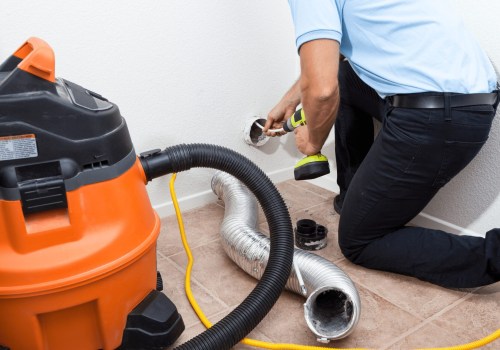
Yes, quietly. Lint restricts the exhaust path, so moist air cannot leave the drum. The machine runs longer cycles for the same dryness, and every extra minute is metered.
The tell is the load. If clothes come out warm but damp, or cycle time crept up on its own, the restriction is downstream of the drum. Other warning signs that a dryer vent is clogged include a hot laundry room, lint around the exterior hood, and a flapper that no longer opens fully.
This goes unfixed for so long because a partial-flow vent still dries the load, just slower, and it creeps in a minute at a time with no baseline to compare against. On a levelized plan, the bill will not tell you.
The safety layer outweighs the money here. Restricted exhaust traps heat and lint in one channel, which is why annual professional inspection and cleaning is the standard interval, dropping to six months with heavy use or a long duct run.
Which Airflow Fixes Reduce Metered Usage?
Three fixes touch the biggest share of the bill, because ENERGY STAR reports nearly half of a typical home's energy goes to heating and cooling. Work them in order of effort.
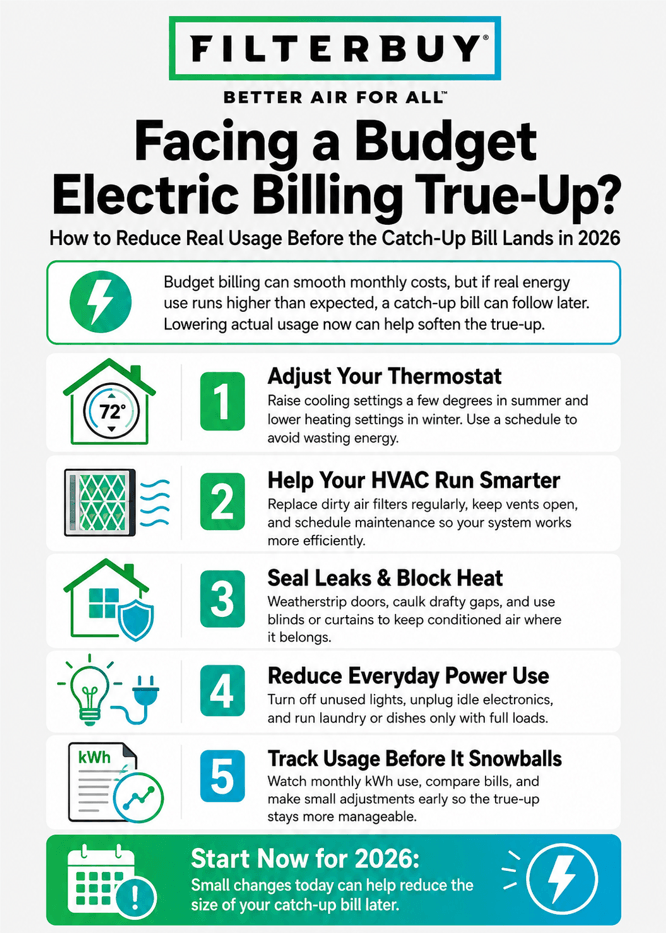
1. Replace the air filter. A dirty filter slows airflow and makes the system work harder to hold temperature. Check monthly in heavy-use months; replace at minimum every three months, sooner with pets.
2. Seal the ducts you can reach. Sealing and insulating ducts can improve efficiency by as much as 20 percent. Start with attic, crawlspace, and garage runs, using mastic or foil tape, never cloth duct tape.
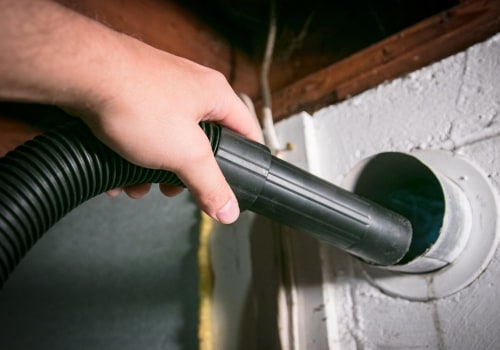
3. Clear the dryer vent end to end, including the transition hose behind the machine and the exterior hood.
4. Unblock supply registers and set the thermostat back when the house is empty. Both remove runtime you are paying for, at no cost.
None change your rate. All change the number the rate multiplies against.
What Can I Do If I Rent?
If the electric account is in your name, the true-up is yours regardless of who owns the ducts. What matters is which fixes you control and which you request.
Yours outright: the air filter, clear registers, thermostat setbacks, and checking the exterior vent hood while the dryer runs. No permission needed.
Needs the owner: duct sealing, insulation, and work on the vent run. Put it in writing as equipment protection, since restricted airflow shortens equipment life, and that is the landlord's asset.
Worth knowing: the Weatherization Assistance Program serves qualified renters with the owner's permission.
Three Responses That Do Not Help
- Dropping the plan to escape the balance. Leaving does not erase an under-collection. It represents energy consumed, so the balance follows you, and you lose the smoothing.
- Unplugging everything in sight. Standby draw is real but lives in the smaller half of the bill. Hunting phantom loads while a loaded filter sits in the return aims wrong.
- Replacing the system before checking airflow. ENERGY STAR is direct on sequence: address air leaks and ducts before buying equipment. A new system fed by leaking ducts inherits the same waste.
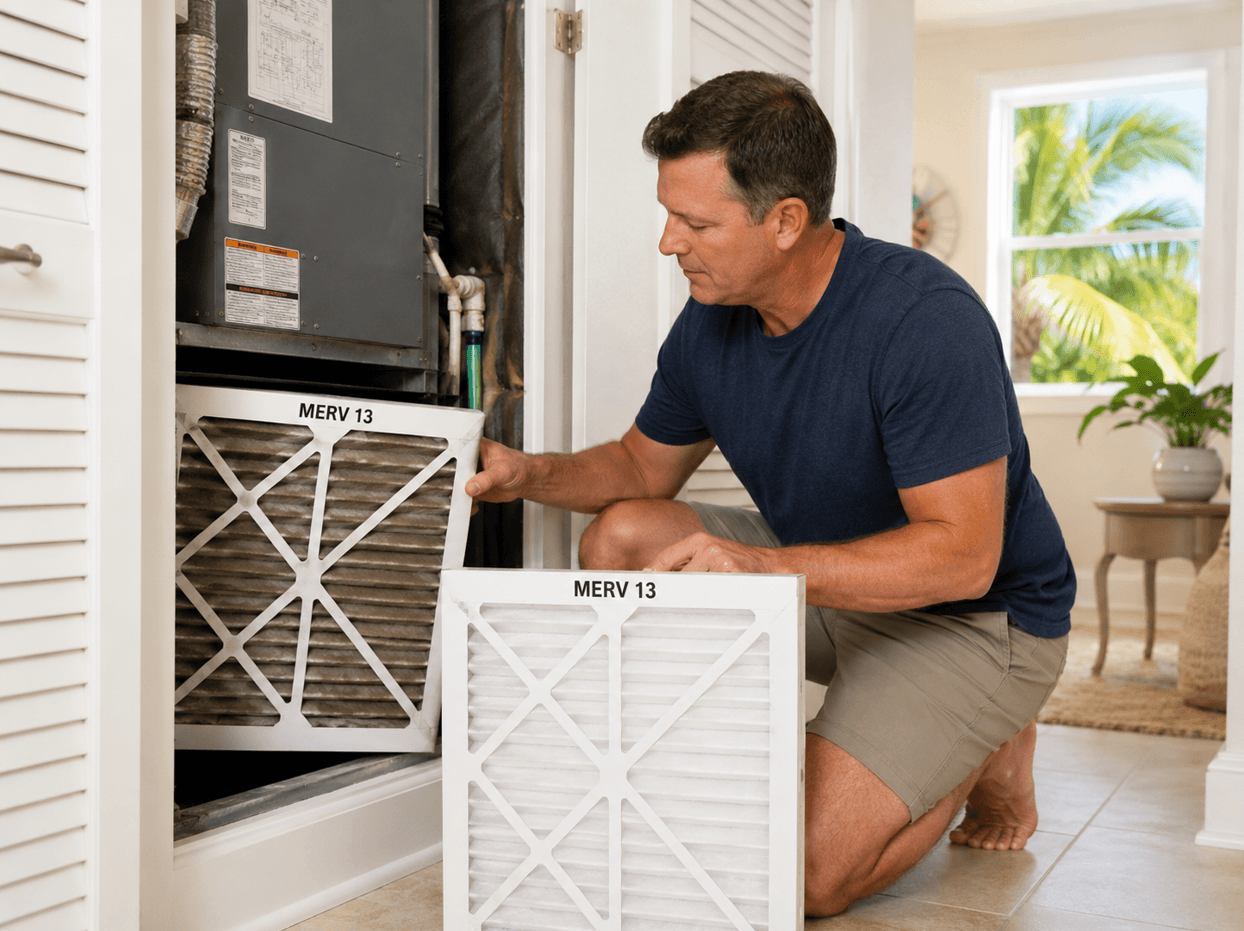
“After more than a decade of manufacturing filters, the ones we hear complaints about are rarely the black, fully loaded ones. They’re the filters that still look passable at ninety days, which is exactly why budget billing customers don’t catch the problem until the catch-up bill lands.” - The Filterbuy Team
Essential Resources
See How 2026 Rates Moved in Your State
Filterbuy, the American air filter manufacturer, publishes a state-by-state breakdown of residential rate changes to help you learn how to reduce your electric bill in 2026, built on U.S. Energy Information Administration figures, showing whether your increase tracked your region.
Confirm the National Benchmark
The EIA Electricity Monthly Update publishes the average residential price per kilowatt-hour monthly, the federal benchmark to check your own rate against.
Find Where Your Home Wastes Energy
The EPA Home Energy Yardstick scores your home 0 to 10 against similar homes using twelve months of real bills, splitting heating and cooling from everything else so you know what to chase first.
Fix the Half of Your Bill That Matters Most
ENERGY STAR's heating and cooling guidance carries the filter interval, duct sealing figure, and thermostat advice in one place.
Get Help With the Balance You Owe
LIHEAP provides federally funded help with energy bills, shutoff prevention, and reconnection through state agencies. It never charges a fee, so any payment request is fraud.
Supporting Statistics
20% to 30% of Conditioned Air Never Reaches the Room
In a typical house, about 20 to 30 percent of the air moving through the duct system is lost to leaks, holes, and poorly connected ducts (ENERGY STAR, U.S. EPA). Air you paid for reaches an attic instead of a bedroom, so the system runs longer, and the meter records it.
The Average U.S. Home Buys About 10,791 Kilowatt-Hours a Year
Average annual electricity purchased per residential customer is 10,791 kWh, about 899 kWh monthly (U.S. Energy Information Administration). At 899 kWh a month, a six percent rate rise adds close to ten dollars monthly before usage changes, compounding to three figures across a plan year.
Failure to Clean Is the Leading Cause of Dryer Fires
Failure to clean was the leading factor contributing to ignition at 34 percent, across an estimated 2,900 residential clothes dryer fires annually, causing 5 deaths, 100 injuries, and $35 million in property loss (U.S. Fire Administration, FEMA, 2008 to 2010). The restriction that lengthens a drying cycle is the one that traps heat against lint.
Final Thoughts and Opinion
Budget billing gets sold as a way to control energy costs. It controls timing, not cost.
My honest view is the plans are worth having, because a predictable payment beats a punishing July bill. They carry a cost nobody mentions at signup: they remove the feedback signal most households respond to, so a filter that stopped moving air in April goes unexamined until the reconciliation.
So keep the plan and replace that signal by hand: a calendar reminder for the filter, a look at the vent hood each season. What I would push back on hardest is the idea that a true-up is done to you. It is arithmetic on energy you used, and the question worth asking is how much of it was work you wanted.
Next Steps
Work these in order. The first two are free.
1. Ask your utility when the budget period closes and what usage it assumed.
2. Run the four-step check above against your statements.
3. Pull the filter and look at it in daylight. Replace it if the pleats have gone grey.
4. Watch the exterior vent hood while the dryer runs. The flapper should swing fully open.
5. Run the Home Energy Yardstick to see whether heating and cooling or base load drives usage.
6. If the balance is unaffordable, contact your state energy assistance program early.
Frequently Asked Questions
Is a Budget Billing True-Up a Penalty?
No. It is the difference between the energy your meter recorded and the equal payments you made. If you overpaid, it arrives as a credit.
Can I Get Out of a True-Up Bill?
The balance is owed because it represents energy you used. Many utilities will spread it across the next twelve payments rather than bill it at once, so ask before the settlement posts.
Does Budget Billing Save Money?
No. It smooths payment timing. Total annual cost still reflects actual usage multiplied by your rate.
How Often Should I Change My Air Filter?
Check monthly in heavy-use months and replace at minimum every three months, per ENERGY STAR. Pets, allergies, and dust shorten that window.
Will Cleaning My Dryer Vent Lower My Electric Bill?
It lowers dryer runtime, and so metered usage. How much depends on how restricted the vent was and how often you run the machine.
Reducing Usage Before the Catch-Up Bill Lands
The true-up is settled arithmetic by the time it reaches you, but next year's payment is not, since utilities recalculate it from your recent actual usage. Working the steps above lowers the baseline your next twelve payments are built on.
Learn more about HVAC Care from one of our HVAC solutions branches…
Filterbuy HVAC Solutions - Miami FL - Air Conditioning Service
1300 S Miami Ave Apt 4806 Miami FL 33130
(305) 306-5027
https://maps.app.goo.gl/Ci1vrL596LhvXKU79